Design Approach
Methodology
Our design process operates as architectural practice. We analyze site conditions, architectural context, and functional requirements. Each project requires comprehensive documentation and spatial planning.
We begin with site analysis. Topography, existing vegetation, drainage, and microclimate inform initial design decisions. Architectural context establishes material and spatial relationships.
Spatial Organization
Outdoor spaces require organization. We establish functional zones through material definition, planting structure, and spatial boundaries. Each zone serves a specific purpose while contributing to overall composition.
Movement patterns connect these zones. Pathways, steps, and level changes guide circulation. The relationship between static and dynamic spaces creates spatial hierarchy.
Material Selection
Materials provide structure and aesthetic character. We select hard materials for durability and visual coherence. Sandstone, bluestone, and architectural concrete form the foundation of our landscapes.
Material selection considers site conditions, architectural context, and maintenance requirements. Each material contributes to spatial definition and overall composition.
Planting Design
Native and adapted plants are selected for form, texture, and spatial contribution. Planting design creates zones, screens, and seasonal interest. Each selection serves both aesthetic and functional purposes.
Plant composition considers environmental compatibility, maintenance requirements, and long-term growth. The relationship between individual plants and overall composition creates landscape character.
Environmental Integration
Each site presents unique environmental conditions. We analyze soil, drainage, microclimate, and existing vegetation. These factors inform material selection, planting design, and spatial organization.
Our designs integrate environmental performance with aesthetic intent. Water management, soil conditions, and plant selection contribute to long-term sustainability and maintenance requirements.
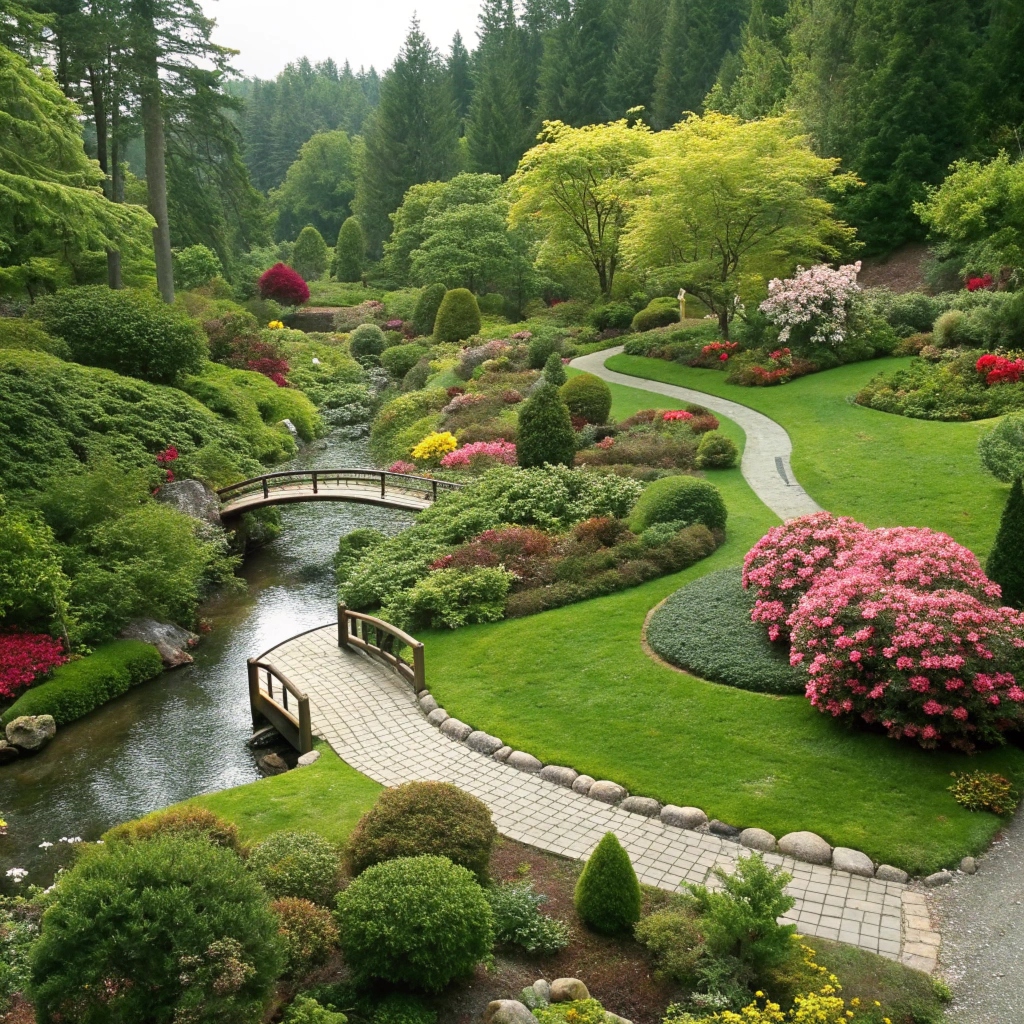
Site-Specific Design
Each landscape design responds to specific site conditions. We analyze topography, existing vegetation, drainage patterns, and microclimate to inform design decisions.
The integration of environmental factors with aesthetic intent creates landscapes that are both functional and sustainable.
Implementation
Design documentation includes detailed drawings, material specifications, and planting schedules. We work with contractors to ensure design intent is realized through construction.
Ongoing communication during construction ensures material selection and spatial relationships align with design intent. The result is a landscape that functions as both environment and architectural element.
Design Principles
Spatial Hierarchy
Organization of outdoor spaces through material definition and spatial boundaries.
Material Coherence
Selection of materials for durability, aesthetic coherence, and environmental compatibility.
Environmental Integration
Integration of environmental performance with aesthetic intent and functional requirements.
Collaboration
We work closely with clients, architects, and contractors throughout the design and construction process. Clear communication ensures design intent is understood and realized.
Regular site visits and ongoing consultation maintain design integrity during construction.
Documentation
Comprehensive design documentation includes site plans, detailed drawings, material specifications, and planting schedules. This documentation guides construction and ensures design intent is realized.
All documentation is prepared to professional standards suitable for construction and regulatory approval.
Design Philosophy
We approach landscape design as architectural practice. Each project requires analysis, spatial organization, and material relationships. The result is an outdoor environment that functions as both natural space and architectural element.