Landscape as architecture.
Space as composition.
We design private gardens and residential outdoor spaces through architectural landscape composition. Our work integrates material selection, plant composition, and environmental considerations into cohesive spatial experiences.
Each project begins with spatial planning. We consider movement, scale, and material relationships. The result is an outdoor environment that functions as an extension of architectural intent.
What We Design
- Private residential gardens
- Outdoor spatial planning
- Material and plant composition
- Environmental integration
- Architectural landscape concepts
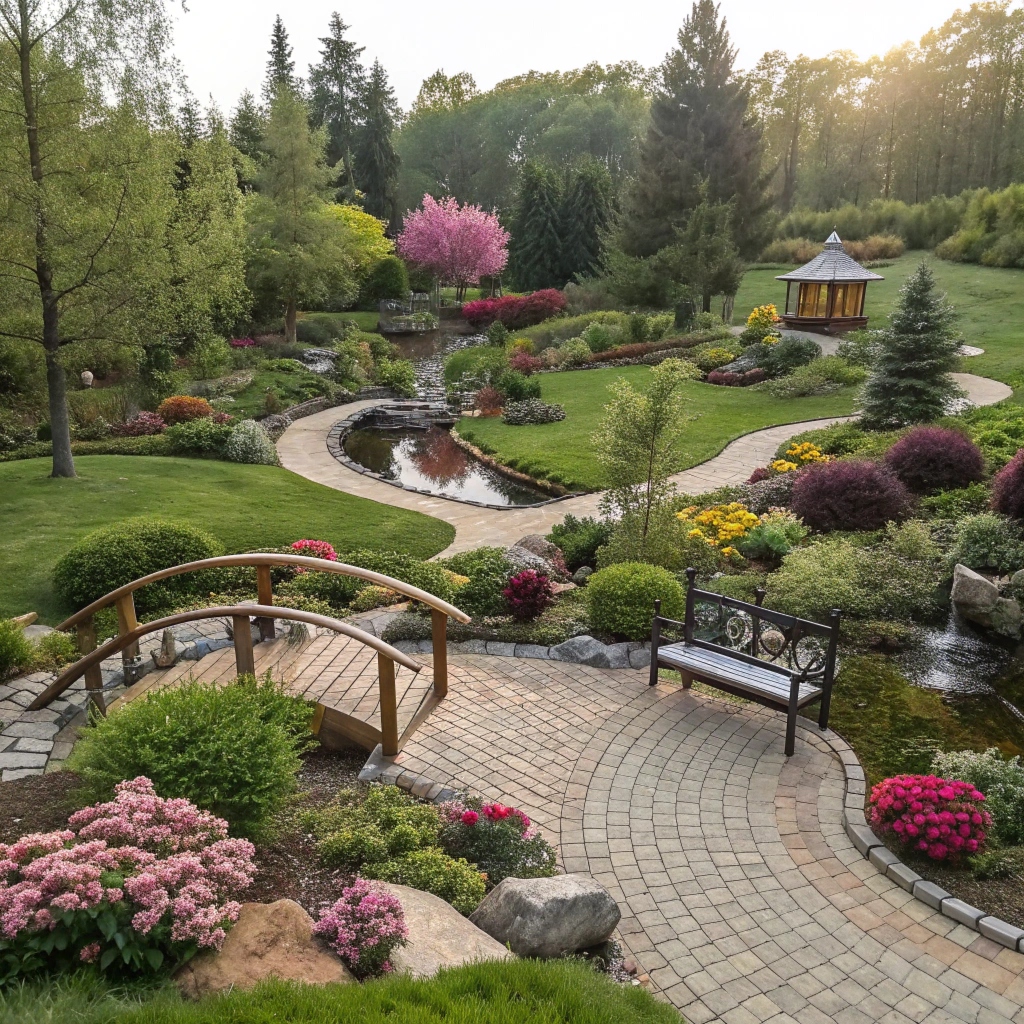
Landscape as Architecture
Our approach treats outdoor space as architectural composition. We consider form, material, and spatial relationships with the same rigor applied to built structures.
Each design integrates site conditions, architectural context, and material palettes. The outcome is a landscape that functions as both environment and architectural element.
Spatial Composition
Outdoor spaces require deliberate organization. We establish functional zones through material definition and planting structure. Each zone serves a specific purpose while contributing to overall composition.
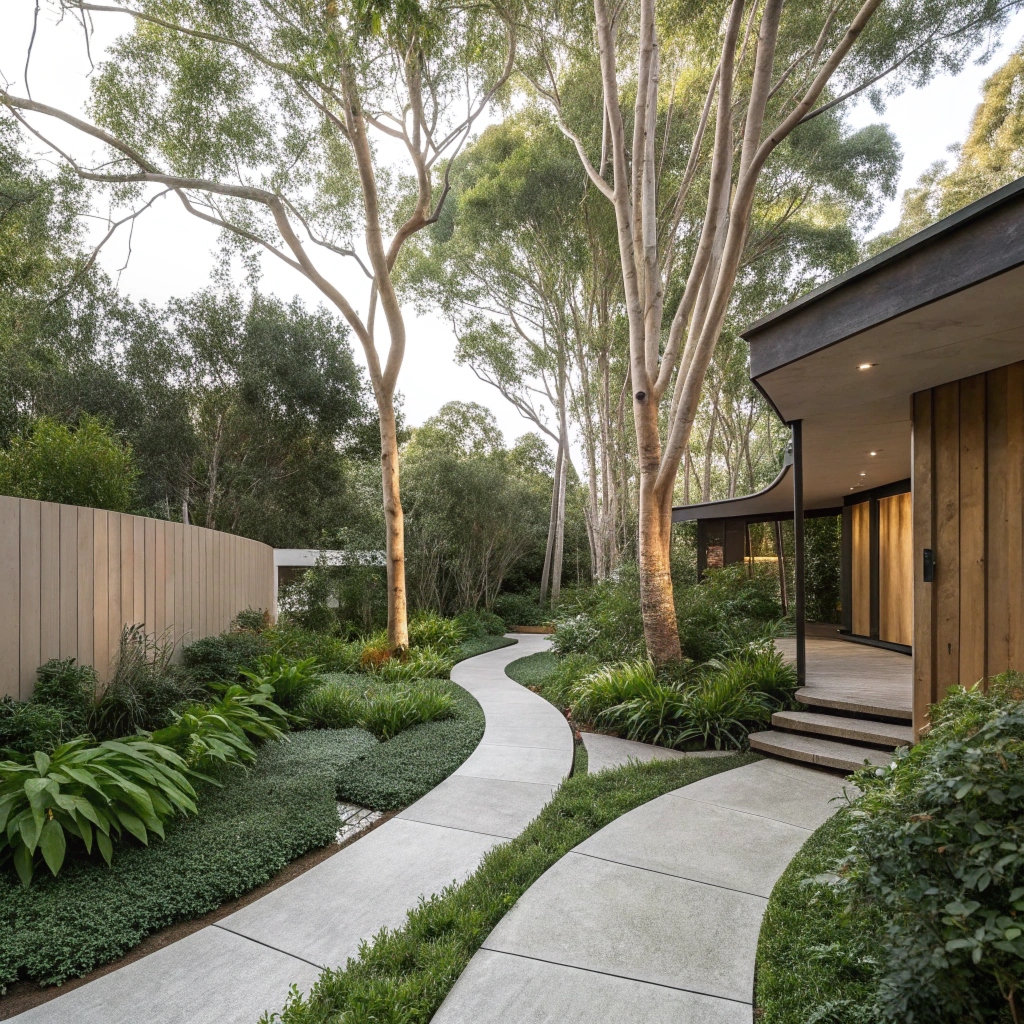
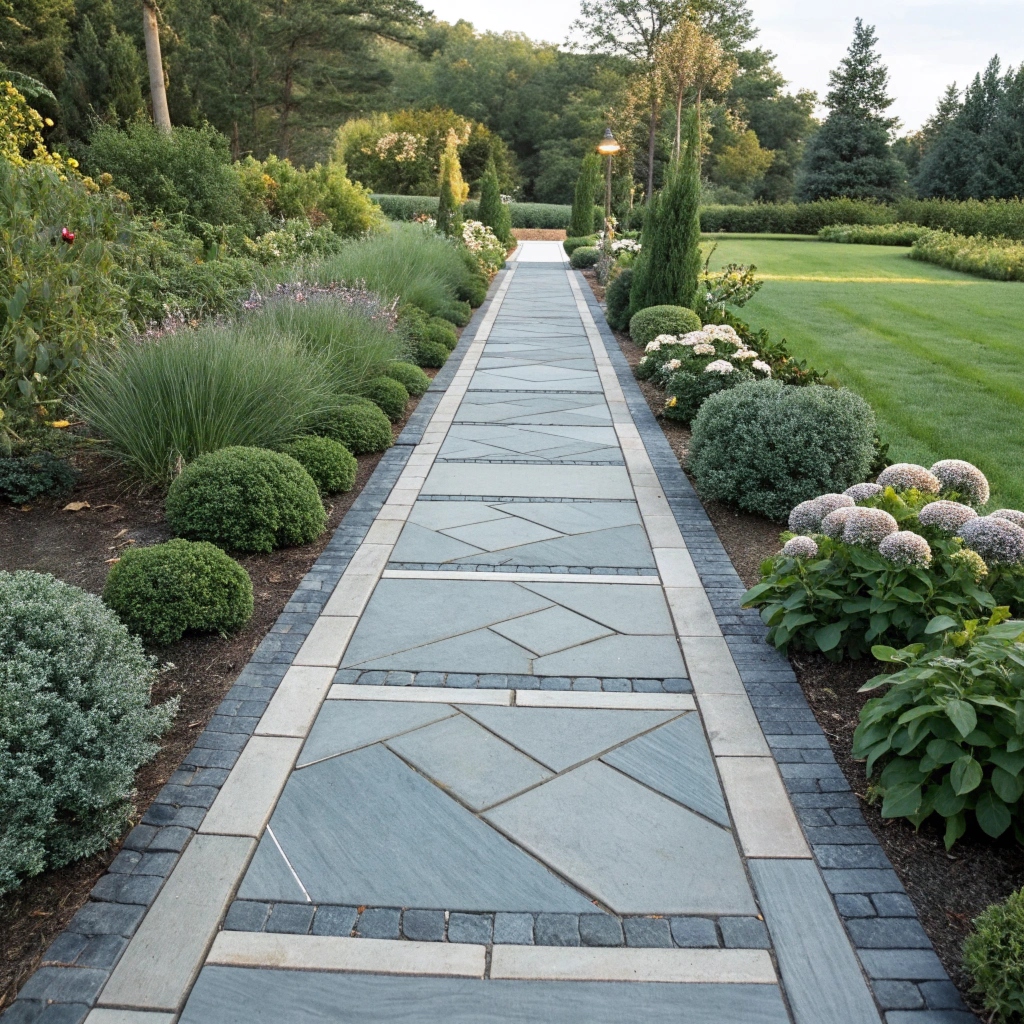
Material Texture
Surface finishes and material textures contribute to spatial character. We specify materials for both functional performance and aesthetic coherence.
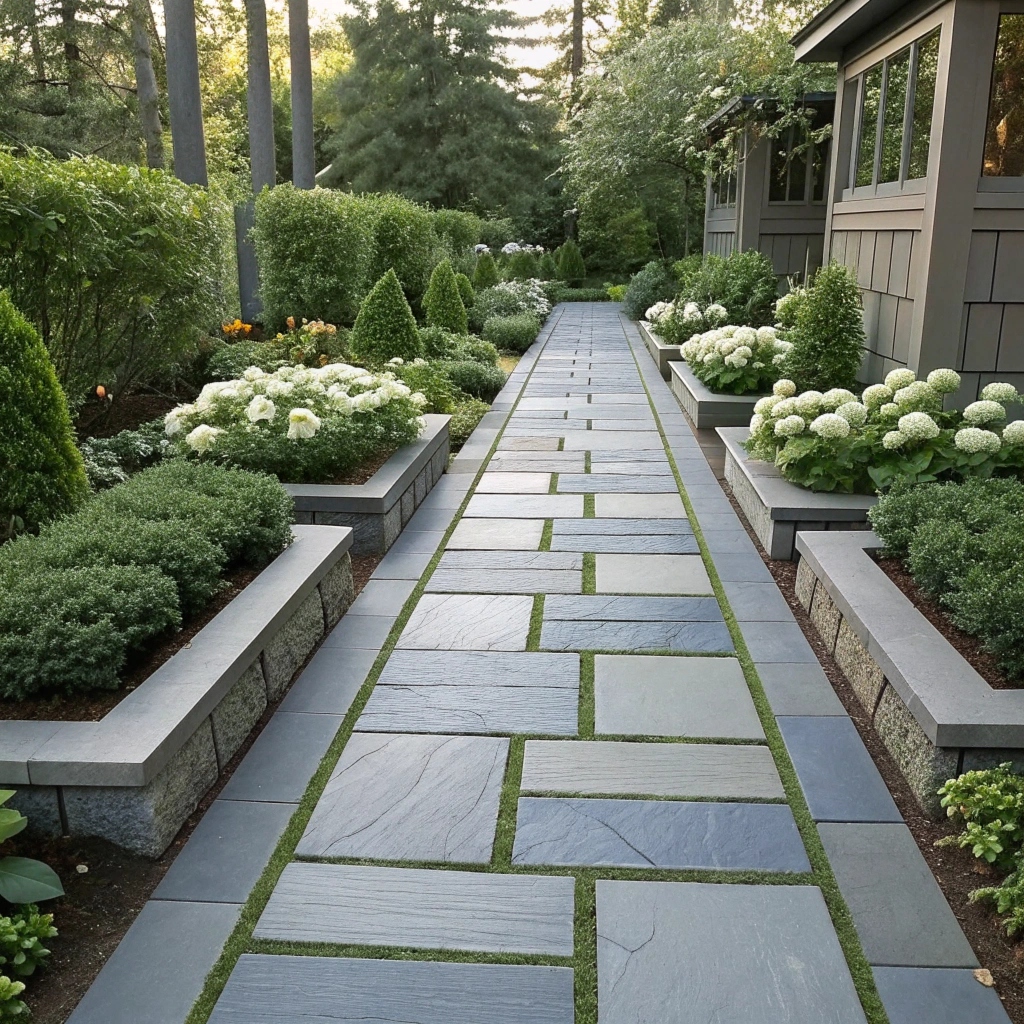
Natural stone provides texture variation. Architectural concrete allows for custom finishes. The relationship between materials creates visual interest.
Materials & Planting
Stone & Concrete
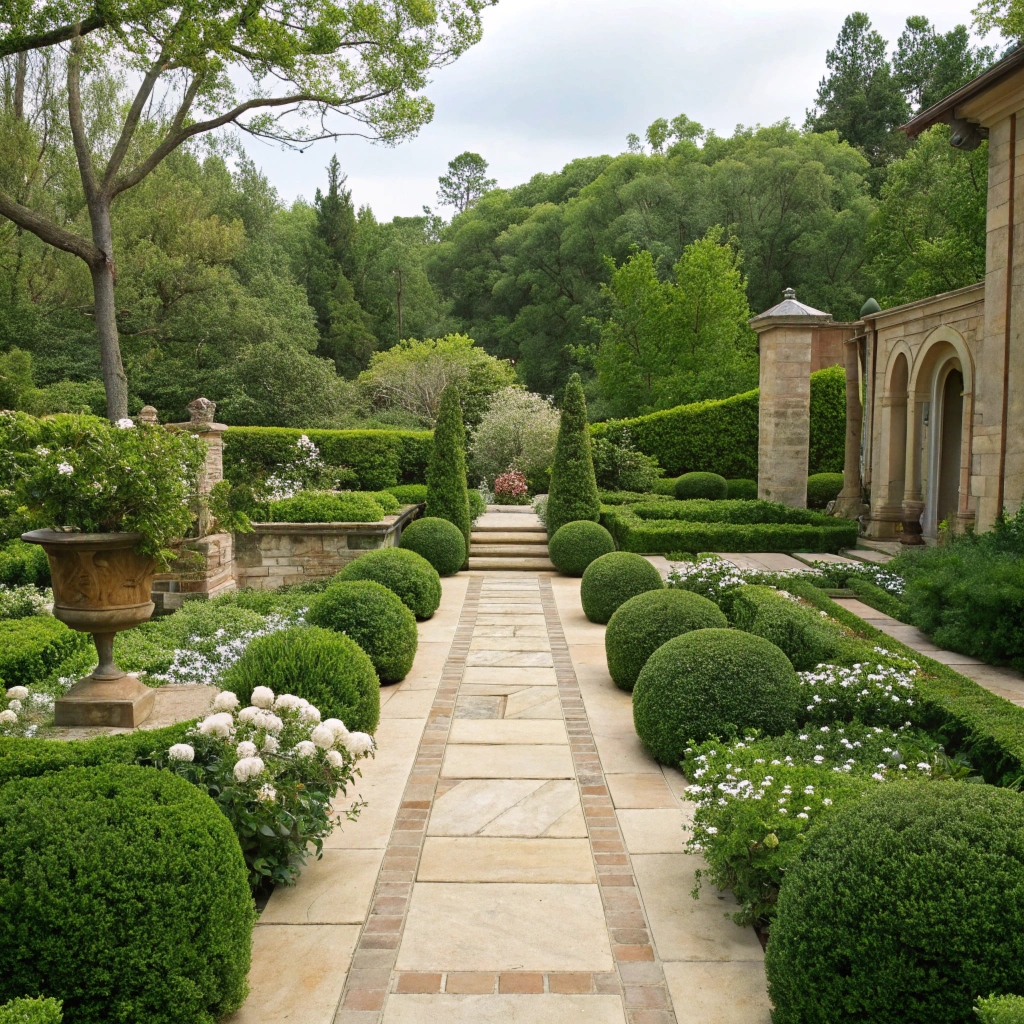
We specify materials for durability and aesthetic coherence. Sandstone, bluestone, and architectural concrete form the structural foundation of our landscapes.
Native Planting
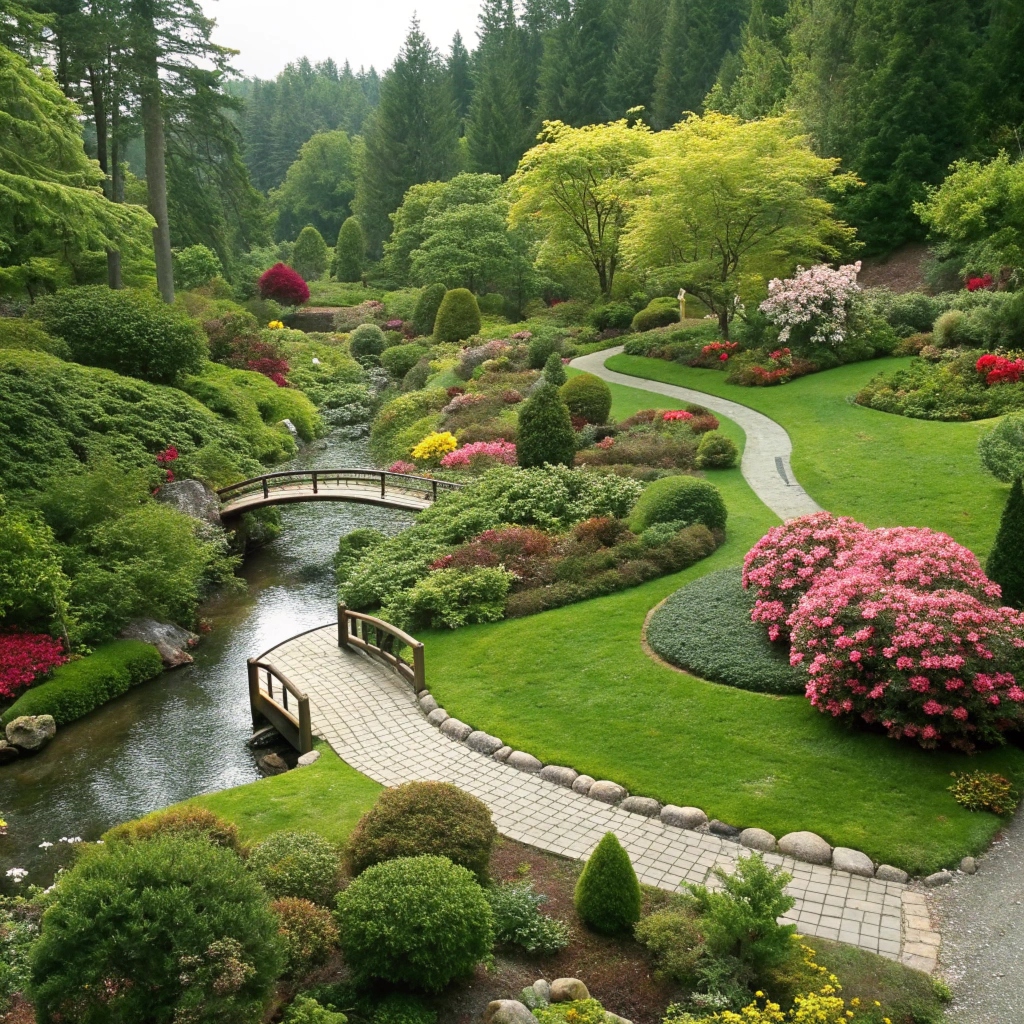
Australian native plants selected for form, texture, and environmental compatibility. Each selection contributes to spatial definition and seasonal interest.
Material Composition
The relationship between hard and soft materials defines spatial character. We compose these elements to create distinct zones and movement patterns.
Selected Projects
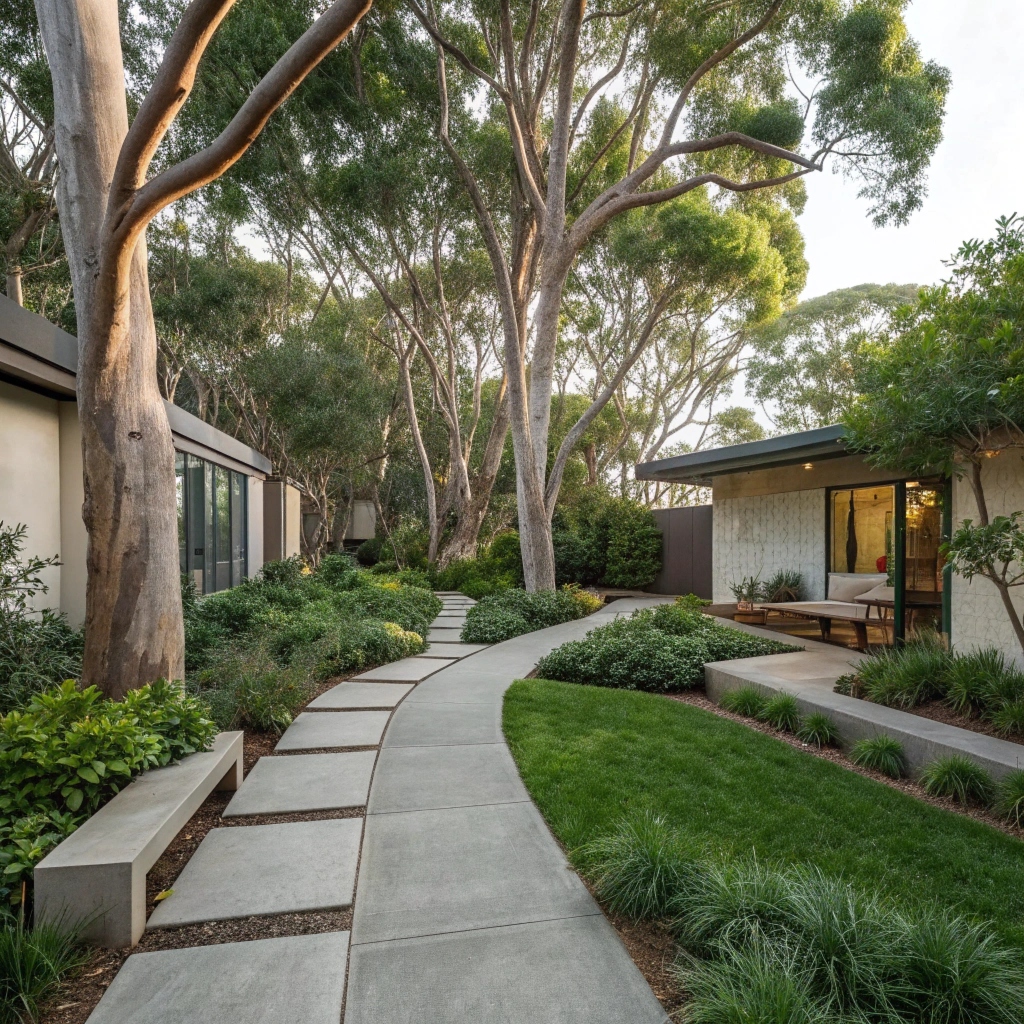
Design Approach
Site Analysis
We begin with comprehensive site documentation. Topography, existing vegetation, architectural context, and environmental conditions inform initial design decisions.
Spatial Planning
Outdoor spaces are organized through movement patterns and functional zones. Each area serves a specific purpose while contributing to overall composition.
Material Selection
Materials are chosen for durability, aesthetic coherence, and environmental compatibility. Hard materials provide structure; soft materials provide texture and seasonal variation.
Plant Composition
Native and adapted plants are selected for form, texture, and spatial contribution. Planting design creates zones, screens, and seasonal interest.
Environmental Integration
Each site presents unique environmental conditions. We analyze soil, drainage, microclimate, and existing vegetation. These factors inform material selection and spatial organization.
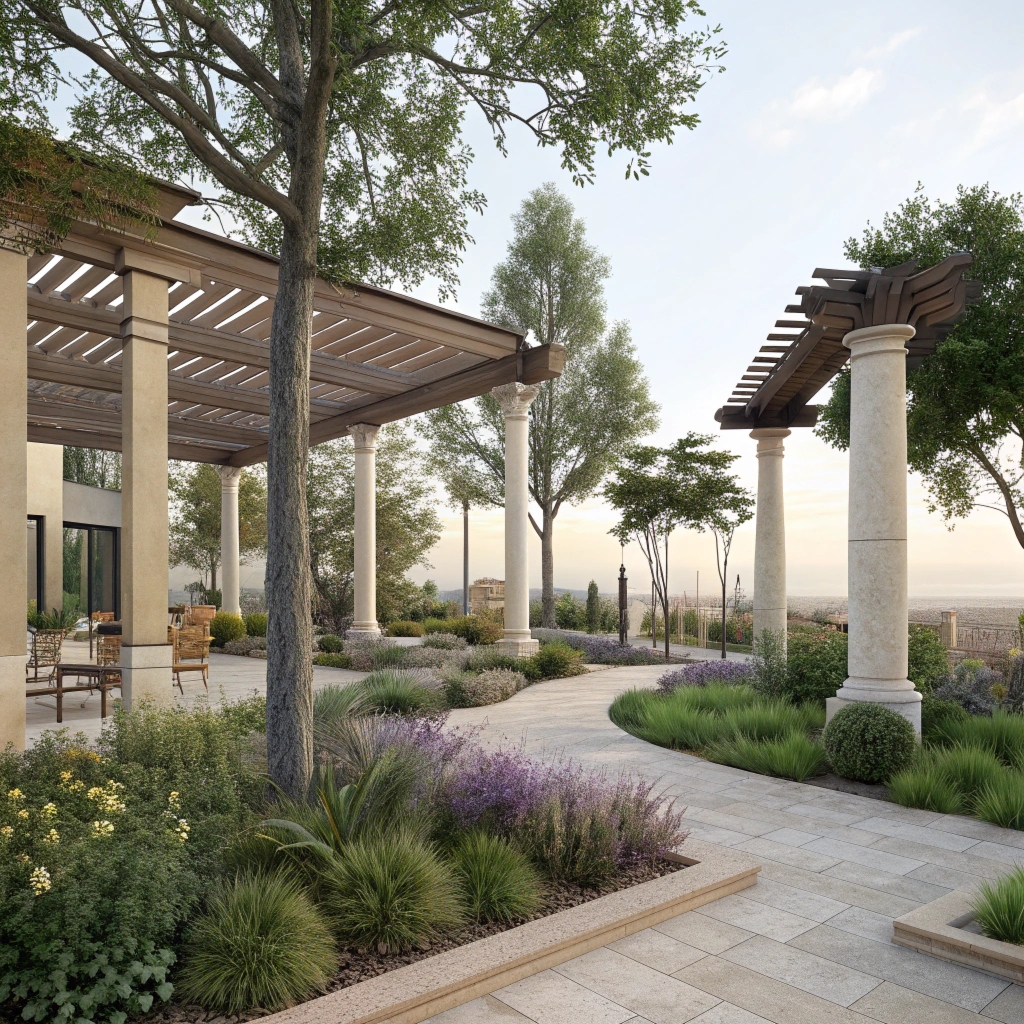
Our designs integrate environmental performance with aesthetic intent. Water management and plant selection contribute to long-term sustainability.
Design Philosophy
We approach landscape design as architectural practice. Each project requires analysis of site conditions, spatial organization, and material relationships.
The result is an outdoor environment that functions as both natural space and architectural element.
Contact
Discuss your project with our studio.