Garden Concepts
Private gardens require spatial definition through material composition and planting structure. Each concept addresses site conditions, functional requirements, and aesthetic intent.
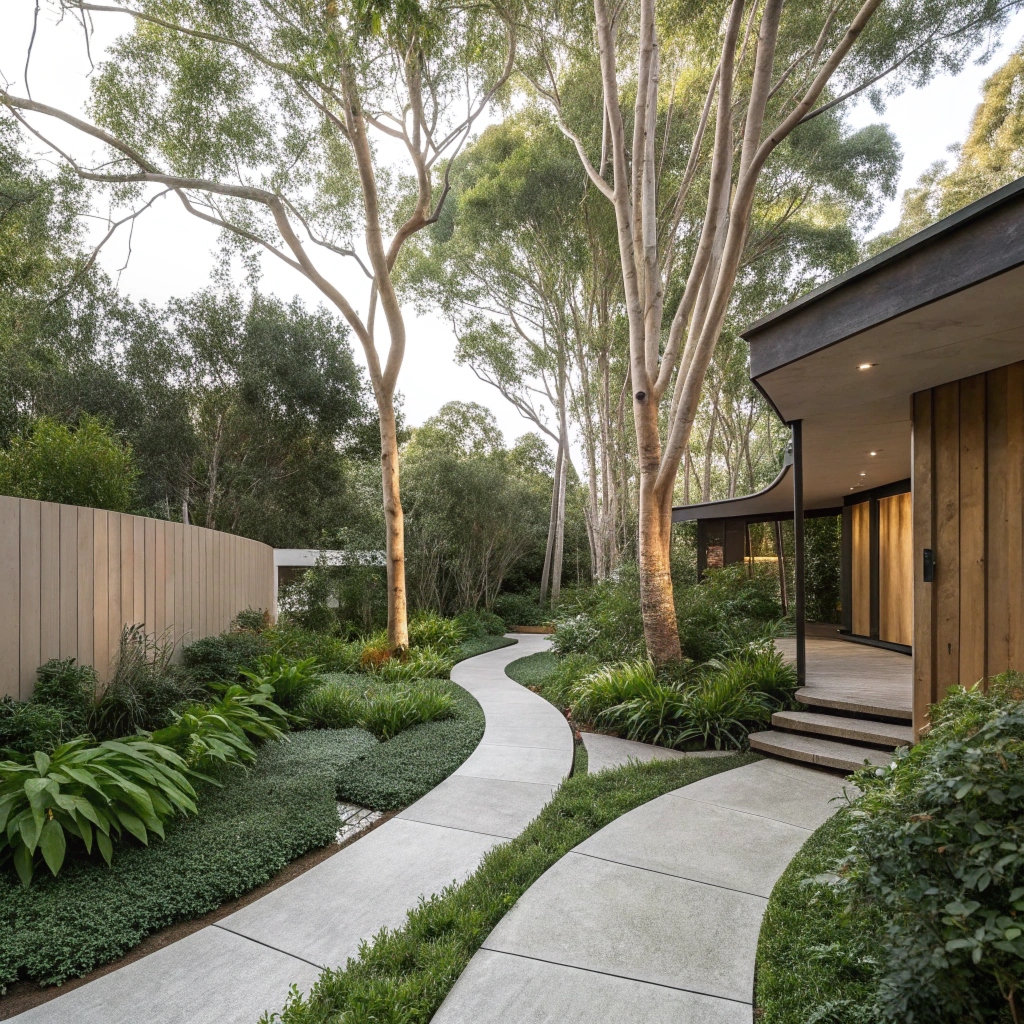
Structured Native Garden
Australian native plants organized through formal structure. Material zones define spatial boundaries.
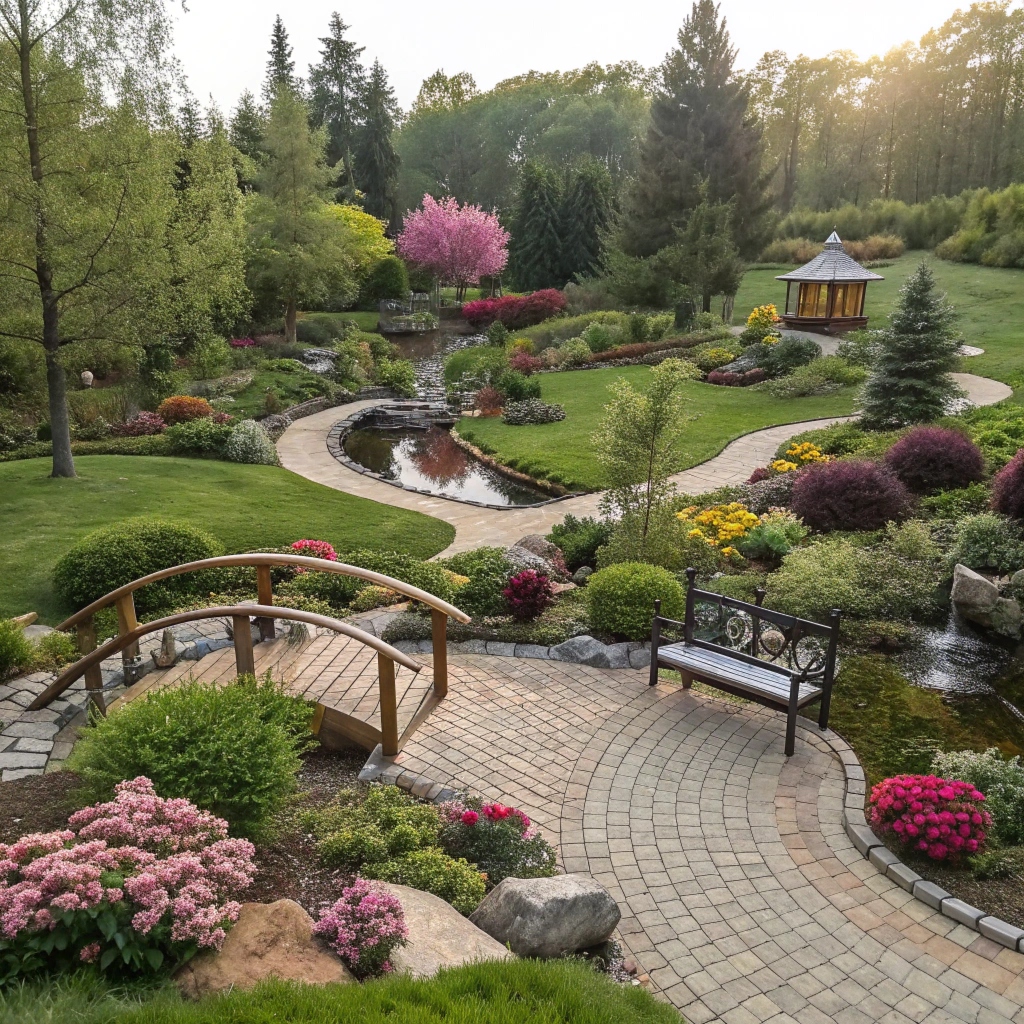
Aerial Composition
Garden design viewed from above reveals spatial organization and material relationships.
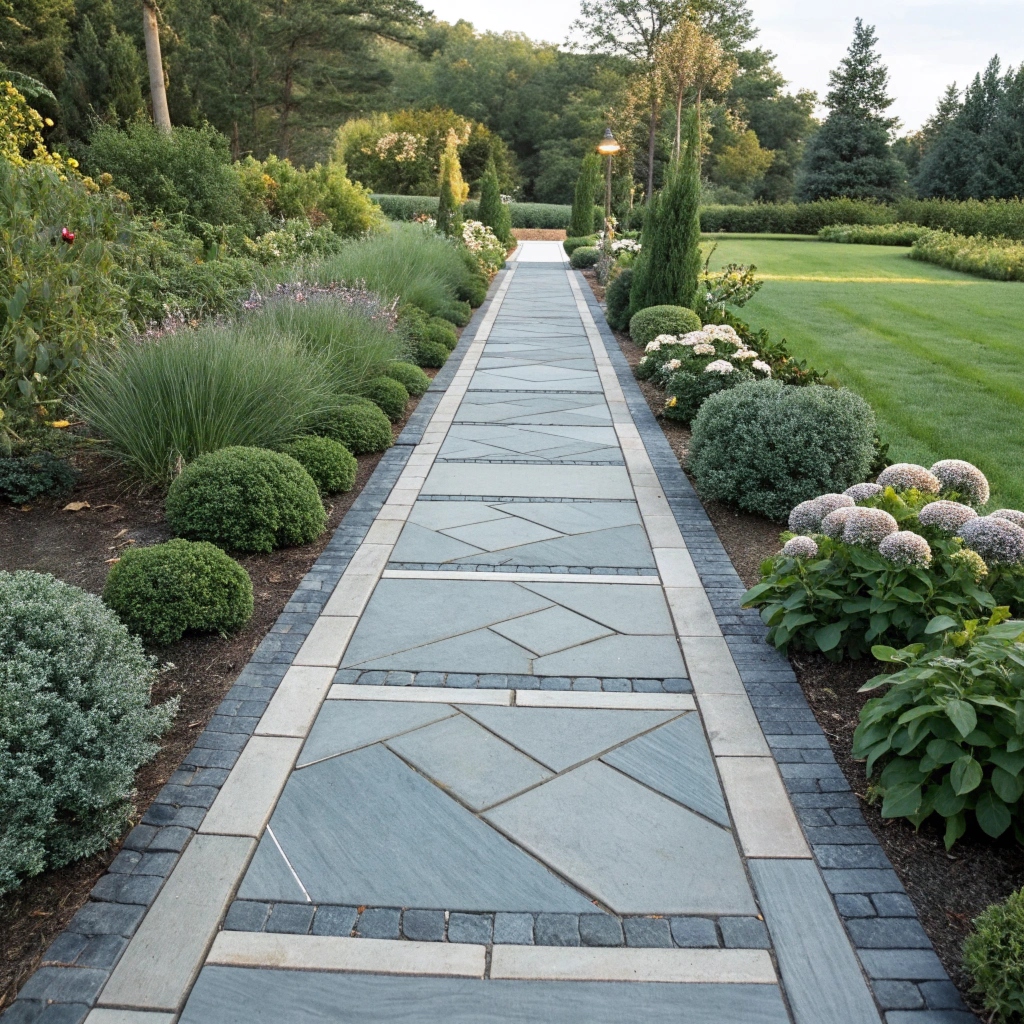
Pathway Design
Movement patterns defined through material selection and spatial boundaries.
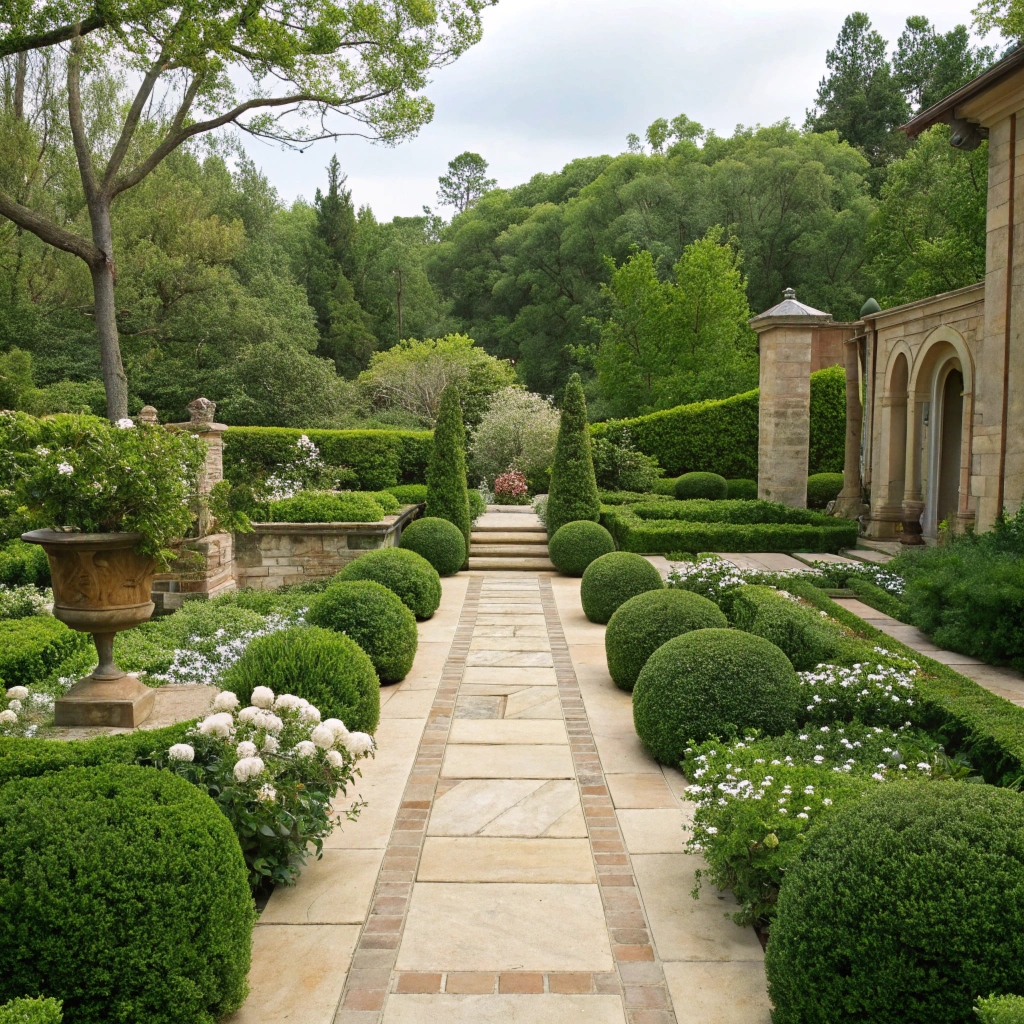
Material Zones
Hard and soft materials create distinct spatial areas within the garden.
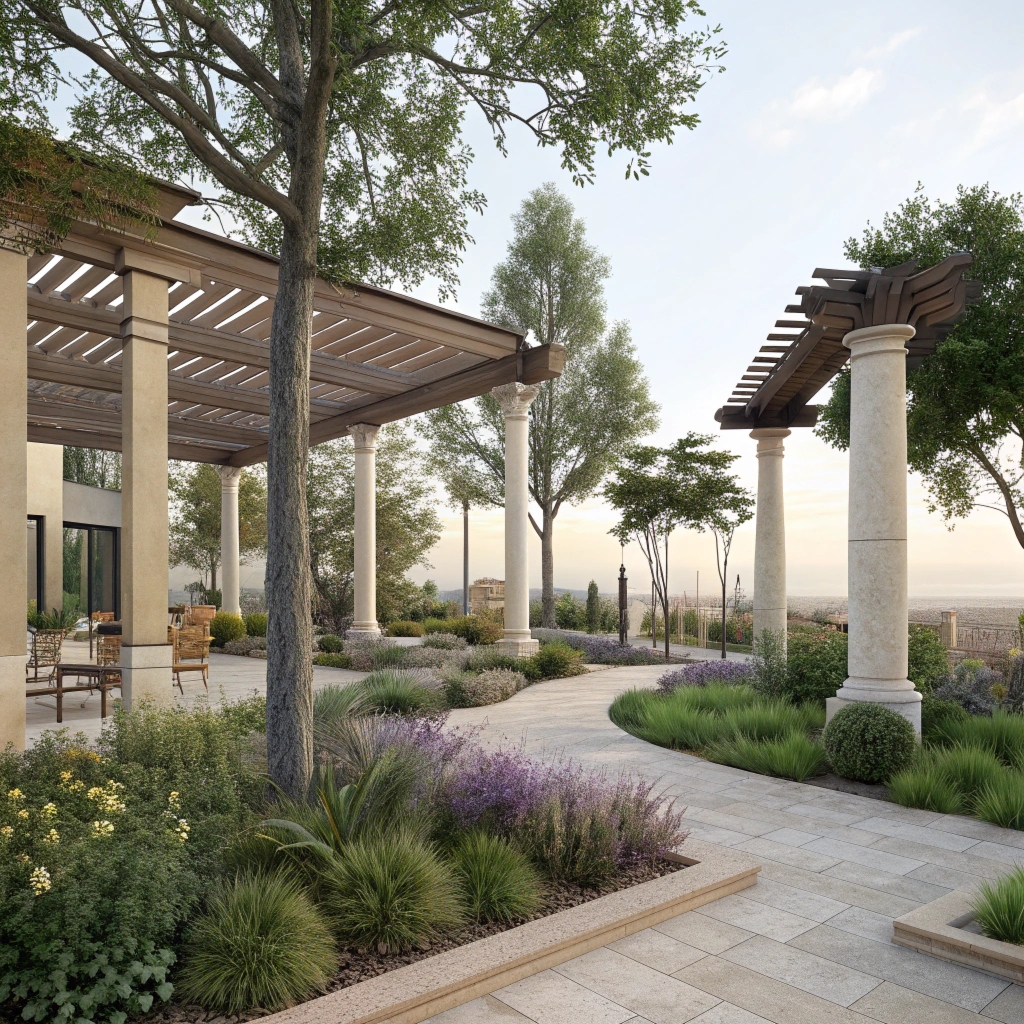
Outdoor Spatial Planning
Functional zones organized through material definition and planting structure.
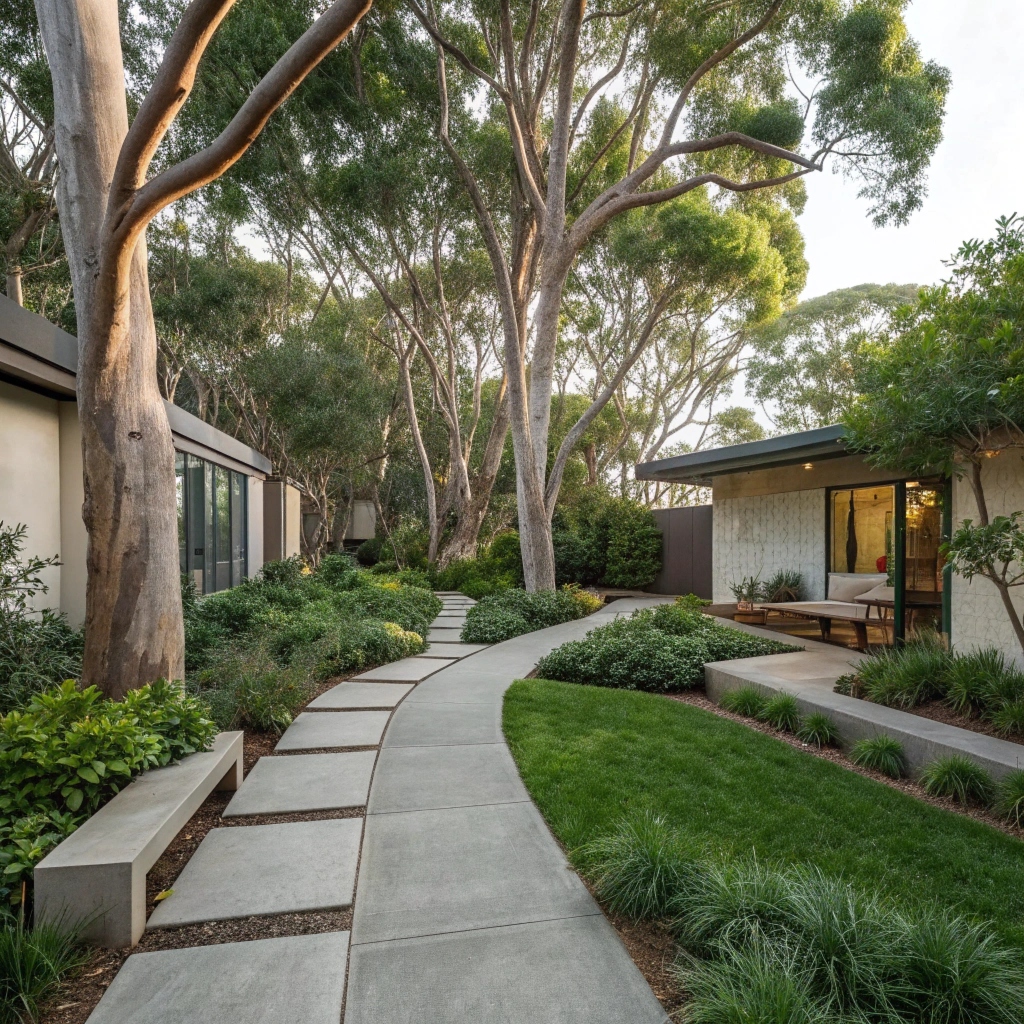
Detail Composition
The relationship between individual elements creates overall spatial character.
Concept Development
Initial Concepts
Each garden concept begins with site analysis and spatial organization. We develop multiple approaches to address functional requirements and aesthetic intent.
The initial concept phase explores material relationships, planting structure, and movement patterns. These explorations inform the final design direction.
Analysis
Planning
Design
Refinement
Functional Requirements
Each garden concept addresses specific functional requirements. We organize spaces to support intended uses while maintaining aesthetic coherence.
Circulation
Pathways and movement patterns connect functional zones. Circulation design considers accessibility and visual flow.
Zoning
Functional zones are defined through material boundaries and planting structure. Each zone serves a specific purpose within the overall composition.
Aesthetic Intent
Garden concepts balance functional requirements with aesthetic intent. Material selection, planting design, and spatial organization contribute to overall character.
The result is a garden that functions as both practical space and aesthetic composition.
Material Selection
Hard and soft materials chosen for durability and aesthetic coherence.
Planting Structure
Native and adapted plants organized to create spatial definition and seasonal interest.
Spatial Organization
Functional zones and movement patterns create spatial hierarchy and visual flow.